Interview With a Lone Star Vampire: Caleb De Casper Is Reborn In Darkness
No Longer a ‘Good Boy,’ Caleb De Casper is back with a darker, more grown up sound and a stronger sense of self.

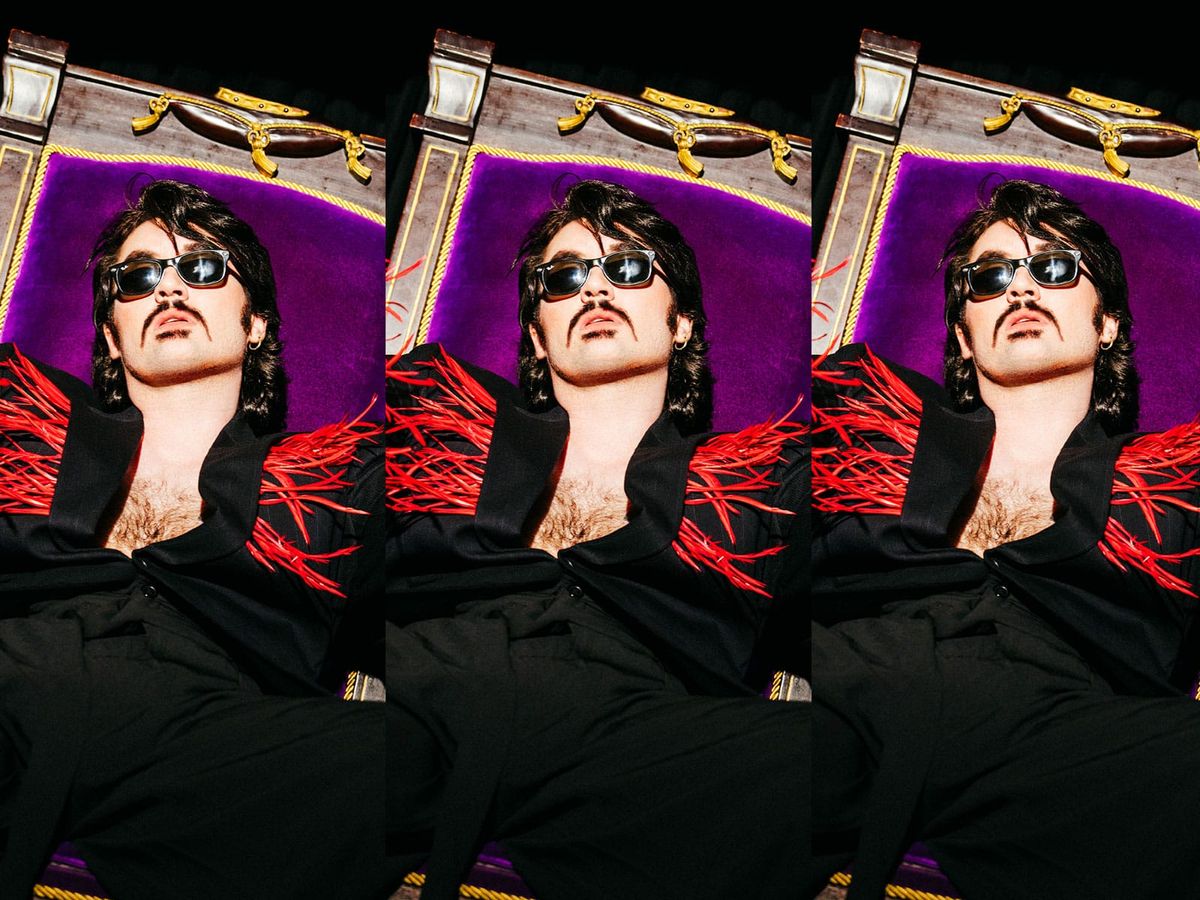
All rockstars have at least a little bit of the undead in them, according to Caleb De Casper.
“Musicians, true musicians, are vampires,” the Austin musician explained during an interview with The Barbed Wire before a recent performance. “We're night people, creatures of the night. We dabble in hedonism, (mind-altering) substances, intense passion and longing that we can't quite put our finger on.”
De Casper is hardly the first person to connect rock stars and vampires, or queer people with the monstrous. After all, The Vampire Lestat, which depicts Anne Rice’s antihero as a rockstar, has received buckets of praise and even racked up multiple GLAAD Media Awards for its positive representation of LGBTQ+ characters. And the connection between LGBTQ+ symbolism and horror has been the subject of much scholarship, but De Casper feels a more personal connection to the bloodsucker than most.
Supported by Kind Clinic
A special thanks to Kind Clinic and Texas Health Action for underwriting our queer Texas coverage. All essays, reporting, and analysis is, as always, editorially independent.
De Casper’s music has transformed stylistically over the years, ranging from the gender-bending glam rock of his 2022 debut album “Femme Boy,” to his current incarnation, a swaggering vampire dude, clad in scarlet and leopard print. He’s risen, as if from the grave, in this new form after several years out of the public eye. Now in his early 30s, he said he’s spent the time refining his sound and maturing as a person.
“I needed time to grow as an individual and to not worry so much about public perception or interpersonal relationships,” he said. “I felt like I had a lot of like people who were just hanger-ons, and they were … making empty promises, trying to control me, and telling me what I should and shouldn't say in front of people.”
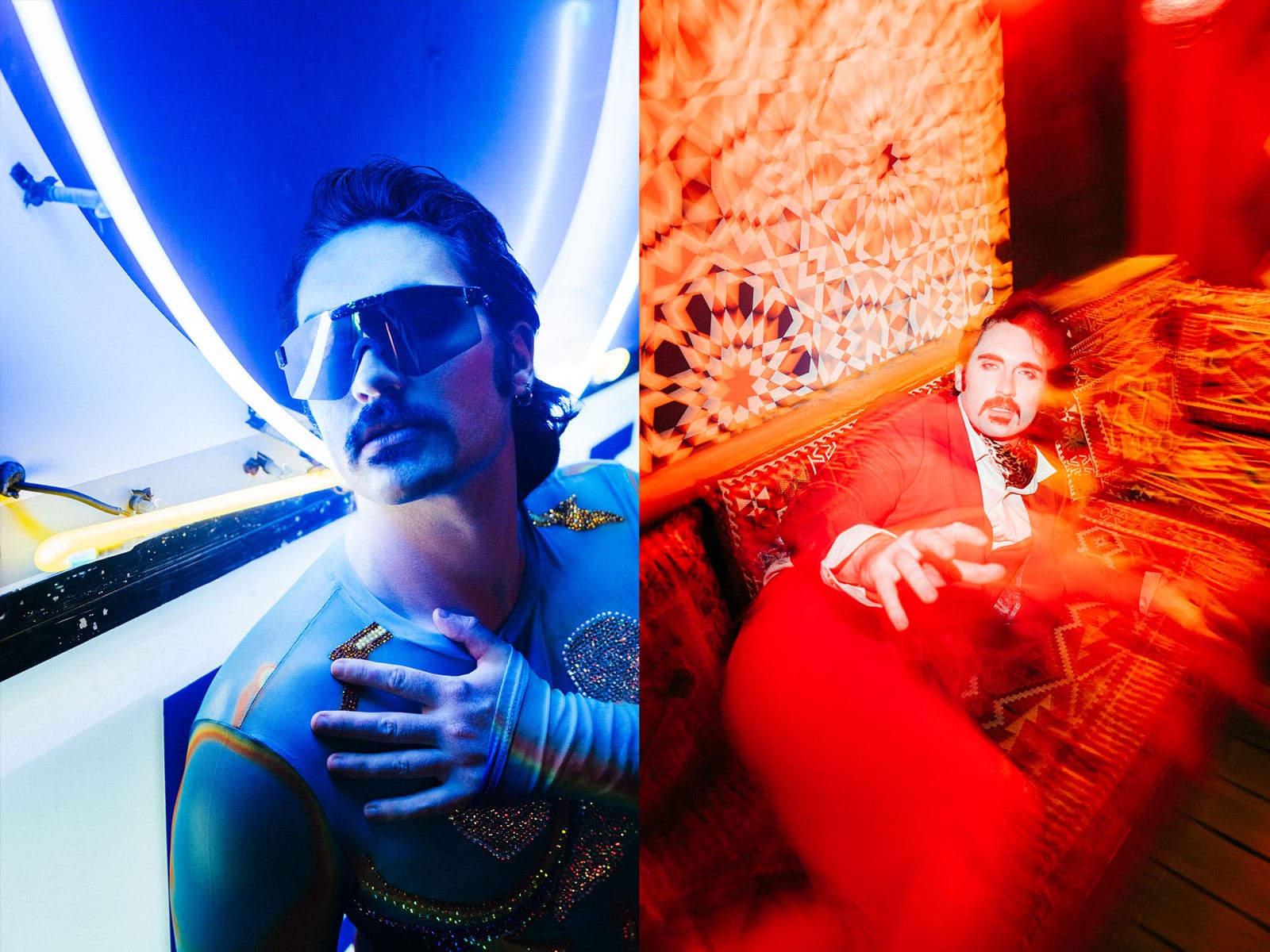
Now De Casper’s back, with a new image that he says is closer to his true self. And he’s releasing new music, such as “Waiting 4 Heaven,” in preparation for a summer 2027 release of his next album, “Delirium.” In the single, De Casper’s deep voice echoes over urgent and dramatic synth pop, creating a darker tone than much of his earlier work.
During our interview, he wryly pushed back when I suggested he was adopting “a new vampire persona now.”
“Who said anything about a persona?”
At least symbolically speaking, the vampire is more than just a character or role he’s playing, but an archetype he feels haunted by, ever since a troubling experience with drugs at a party about a decade ago, when he said he felt close to death. At first, he said, he was unfazed by the brush with the abyss.
“My blood came back, I came back conscious, and I went back to the party.” But even years later, he couldn’t shake the feeling that he’d been transformed by that moment, and possibly not for the better. It’s something many of us who lived hard in our younger years can empathize with: a feeling of psychedelic unreality caused by a suspicion that everything that came after a mind-bending trip might actually be a near death experience or, in De Casper’s case, a transformation into the undead.
“That's the moment I became infected, and then I have lived past 10 years trying to get through life as this night creature who needs to reckon with mortality and spirituality and love and boundaries and relationships and, you know, being dangerous.”
He said major influences on this period include INXS, Lady Gaga, Peaches, and Depeche Mode. But De Casper’s love of music runs deep into his childhood, and his musical heroes go even further back – which is another way he recognizes himself in a vampiric agelessness.
“I've always been musically inclined,” he explained. As a small child, he was fascinated by classical music and symphonies which he watched on PBS, and then later obsessed when he caught a rerun of an episode of “Sesame Street” that featured Little Richard. Liberace was another early obsession.
“Those things really really stuck with me, and I think that's kind of magical and strange in a way for a little kid to be fascinated with Little Richard and Liberace.”
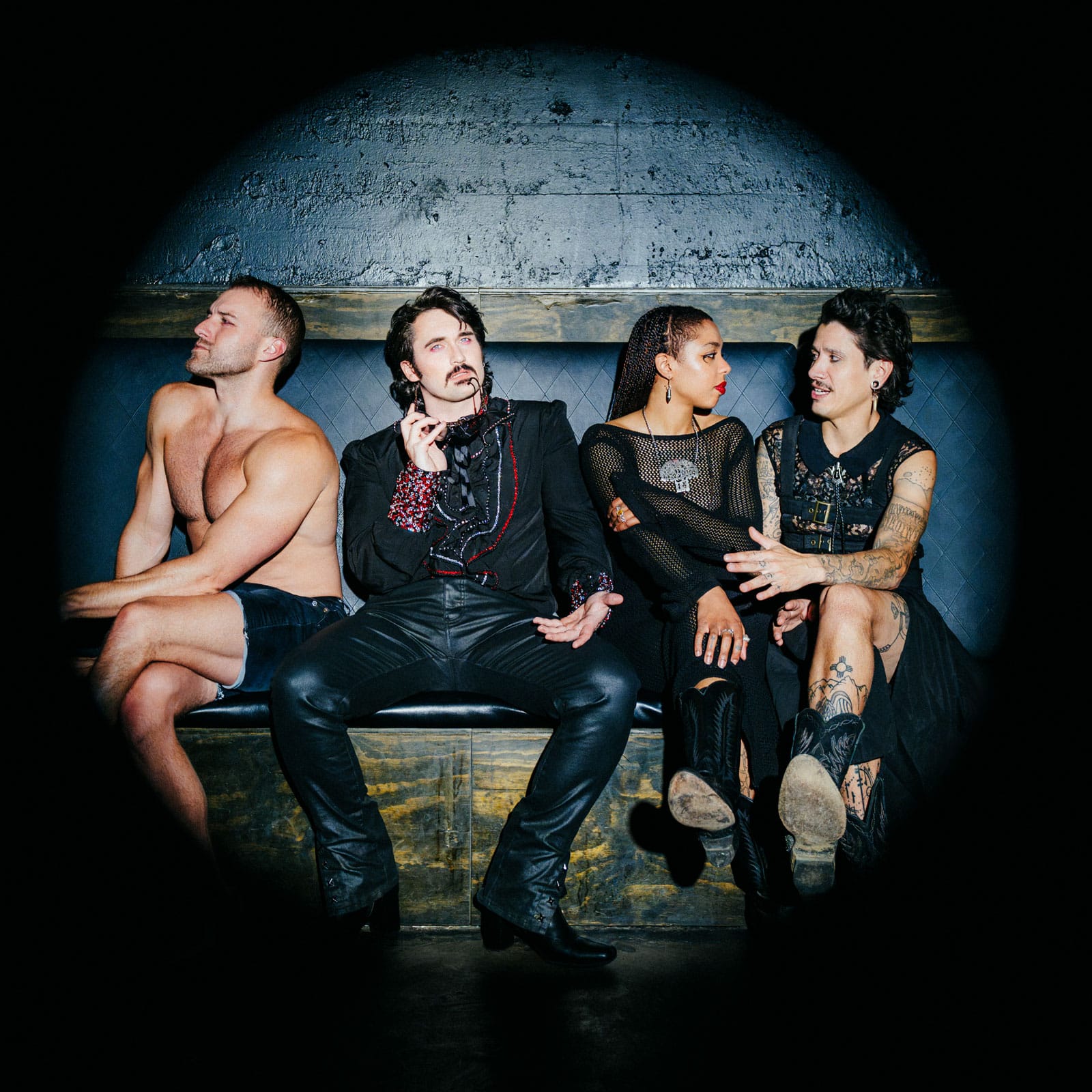
Throughout his life, music has been a way to explore identity and gender, and that’s left him with a lasting love and sense of connection to the drag community. Legendary, almost archetypal figures like Liberace helped him tap into the camp roots of modern day queer culture.
“I like to think that it's because either we all share part of the same spirit somehow or … maybe our spirits used to know each other a long time ago.”
On Sunday, De Casper reaffirmed his love of drag when he returned to the stage to perform his new music during Kream, a recurring Austin drag showcase hosted by the drag queen Cupcake. During the last Texas legislative session, De Casper testified against Republican attempts to ban the art form, an experience that seems to have left him feeling a bit jaded about how governments betray their constituents and how the LGBTQ+ community can turn on each other during moments of tension.
“There's no social safety net for anything, you know. That's implemented on purpose to keep people from joining together, being stronger together. If they're struggling with their own issues independently, they're going to get a rugged individualist mindset instead of a community mindset.”
Although it’s been four years since his last full album, he hinted at his current dark pop diva incarnation with his 2024 single “Sik Culture,” a collaboration with the Italian producer Antonio Rosselli, better known as “Ribongia.”
To create Delirium, Ribongia traveled from his current home, in Mauritius, to stay with De Casper for a week while they recorded the album. De Casper saw a kindred spirit in him, and their collaboration was fruitful. Ribongia recently released a remix of De Casper’s “Good Boy,” originally one of the highlights from his debut album.
“It's what I've always wanted to make,” De Casper told us of his new sound. “It's dark pop, it's a little bit industrial, a little bit dirty, a little bit of Eurotrash.”
Although De Casper has come out of the closet as a creature of the night, it doesn’t stop him from dreaming of a better dawn, and he struck a note of hope at the end of our interview:
“We got some serious existential issues that we are working through as a culture, and as a world, as a country. And I would love to see things be stronger on the other side of this because we realize that nothing in this world should be taken for granted. Every day is a gift. This is coming from an undead vampire that's lived for the past 10 years, right?”
You can follow Caleb De Casper on Instagram, and find his newest music on Spotify.
Note: An earlier version of this story incorrectly named one of the artist's song titles.