
About Us
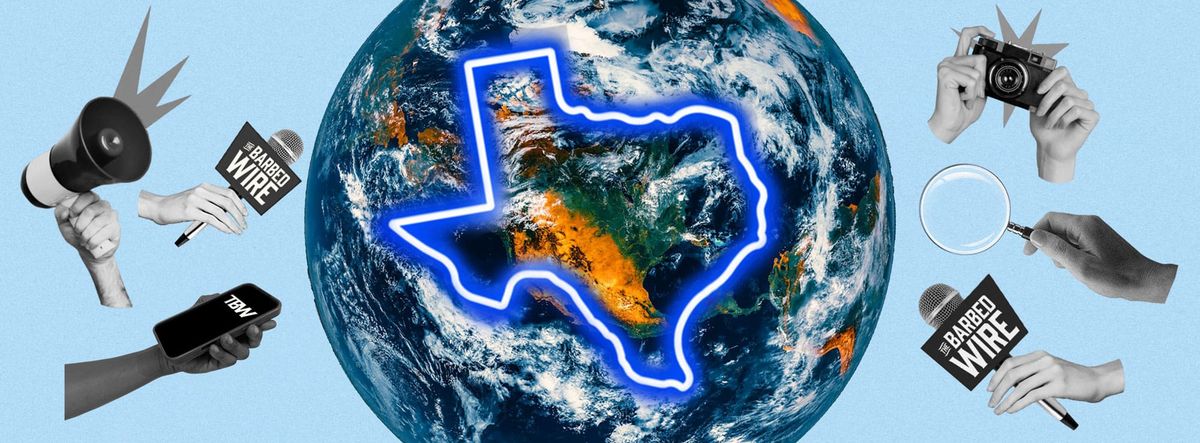
Howdy, reader.
Thanks for spending time with The Barbed Wire, where we bring you independent Texas journalism. We hope to make you laugh, tell your stories, shine a light on parts of Texas you've never seen, and entertain you — whether you're scrolling our Instagram, watching on TikTok, enjoying one of our excellent newsletters, or reading right here on the site.
When you subscribe, you'll stay in the loop with the latest from our newsletters. When you become a member with a paid subscription, you'll get some great merch, invites to events across the state, and exclusive access to our reporting team. Thank you!
The Barbed Wire is a public benefit corporation and is fiscally sponsored by the Lenfest Institute, a leader in non-profit journalism.
Subscribe to the Wild Texas Newsletter
Texas is one big, wild place. Our weekly round up keeps you in the know. All killer, no filler. It's Texas news worth your time.
Check your inbox and click the link to confirm.
Something went wrong. Try again.
Our Work
The majesty, absurdity, diversity, and ferocity of Texas is in everything we do — from headline-worthy scoops and cultural analysis to in-depth reporting and investigations.
Our editorial outlook is ideologically progressive, and our journalism is nonpartisan. At The Barbed Wire, we have assembled a team of spectacular contributors who treat all political parties and all candidates as fair targets of thoughtful reporting — and as joke fodder for our merch store. We won’t be engaging in both-sidesism or providing a platform for unscientific, inaccurate information. We’ll be fact-first, thoughtful, and intentional about how we approach our coverage.
We’re going to respect your attention by earning your trust with honesty and plain language. If water is falling from the sky, we’ll call it rain. If a law has disenfranchised people based on the color of their skin, we’ll call that racist. We’ll write headlines that are spicy and hopefully funny, but aren’t clickbait.
With the help of our readers and funders — a mix of private investors, nonprofit grantors, and you, our individual members and supporters — The Barbed Wire celebrates Texas culture in all its wonderful weirdness. In addition, we're grateful to receive support from Kind Clinic & Texas Health Action, and the ACLU of Texas.
Team
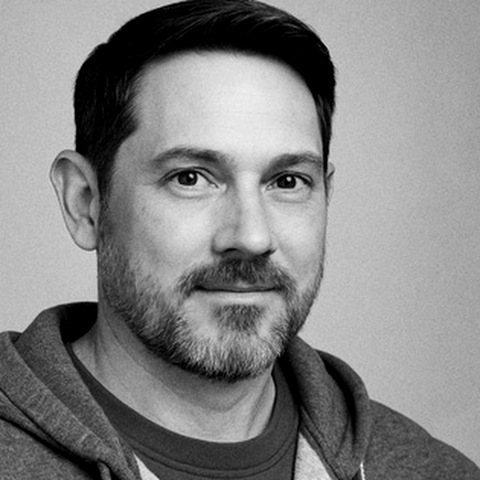
David Cohen is the founder and CEO of The Barbed Wire. Before journalism, he spent two decades in national politics — including Barack Obama's 2008 presidential campaign — and as founder of Forward Majority, a national organization focused on state legislative races.
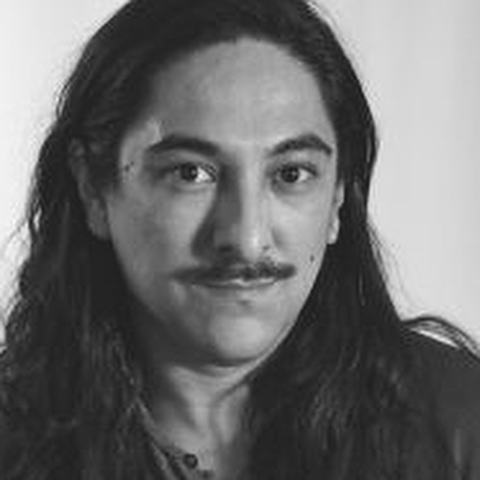
Mario Leal is The Barbed Wire's news director and the founding anchor of the Barbed Wire News Brief. He is a Texas native, and an Emmy and Murrow Award-winning journalist, specializing in bilingual, Texas-native reporting.
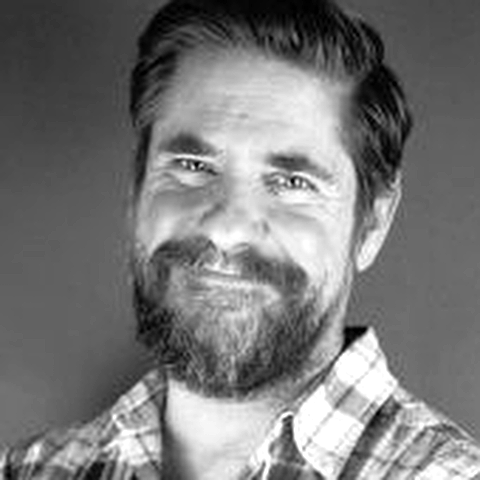
Brian Gaar is a founding member of The Barbed Wire and writes the Wild Texas newsletter. A longtime Texas journalist, he has written for the Austin American-Statesman, the Waco Tribune-Herald, Texas Monthly, and more, and was a writer and producer at Rooster Teeth.
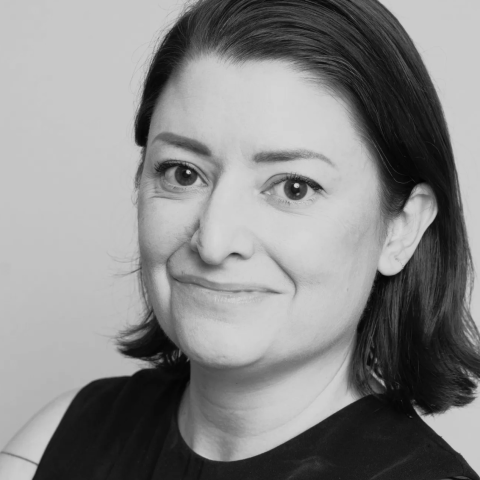
Elizabeth Spiers advises and edits The Barbed Wire. She is a New York Times contributor, an NYU journalism professor, and a media entrepreneur — the founding editor of Gawker and former editor-in-chief of the New York Observer.
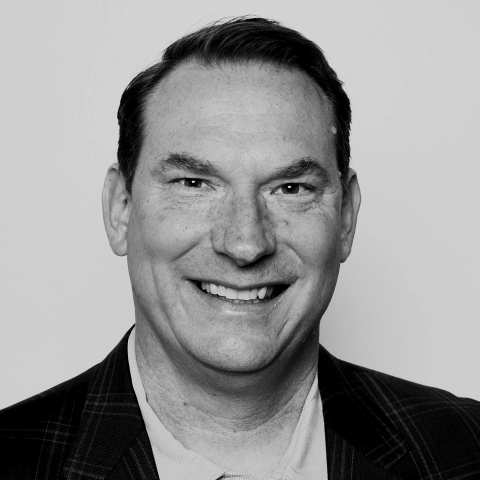
Brian Sweany advises The Barbed Wire on editorial, business and strategy. He is former editor-in-chief of Texas Monthly, where he was on staff for 18 years. A native Texan who was born on Texas Independence Day, he began his career in journalism as an intern at the magazine in 1996.
And The Barbed Wire is bigger than any masthead — see everyone who has written for us on our Contributors page.
Standards
Journalism is a set of choices — who to talk to, what to publish, whose money to take, what to do when you get it wrong. These are ours, written down, so you can hold us to them.
Style
Our style guide is a mix of Associated Press and preferences we’ve accumulated working in previous newsrooms, with influences from Language, Please; the Trans Journalists Association Stylebook and Coverage Guide; the Disability Language Style Guide from the National Center on Disability and Journalism; The Diversity Style Guide, a project by the Center for Integration and Improvement of Journalism; the Reporting and Indigenous Terminology Guide from the Native American Journalists Association; the National Association of Hispanic Journalists’ Cultural Competence Handbook; the National Association of Black Journalists Style Guide; the BuzzFeed Style Guide (RIP); and the Dart Center Style Guide for Trauma-Informed Journalism.
Anonymous Sources
We grant anonymity only when a source faces real, demonstrable risk to their job or their safety, and only when the story serves the public interest. When we do, our editors verify the source's identity every way we can — corroborating interviews, social media, public records. Even then, a single anonymous source is almost never enough to publish on.
Attribution
When we cite or quote other reporting, we link to the original and name the outlet wherever we can. We don't plagiarize and we don't fabricate. If anyone here does, we treat it as the firing offense it is.
Conflicts of Interest
Reporters and editors disclose their conflicts to us — past employers, personal relationships, anything that could give a reader pause. When it's relevant to a story, we tell you, in the text or in an editor's note.
Editorial Independence & Advertisers
Nobody who gives us money gets a say in our journalism. Not advertisers, not the foundations that fund us, not our investors. They don't pick our stories, they don't read them before you do, and they don't get to ask for changes.
There's one exception, and we label it. Sometimes an advertiser pays us to publish a piece about their own work. When that happens, you'll see a Sponsored tag above the headline — on the story and everywhere it shows up on the site — plus a note at the top telling you who paid for it and whether they read it before it ran. We call it paid content, because that's what it is.
Kind Clinic and Texas Health Action also underwrite Big & Bright, our queer Texas newsletter. That means they pay for the coverage to exist. It doesn't mean they pick the stories, read them early, or have any say in what's in them. That's the whole arrangement.
No advertiser has a say in a story that's about them, their competitors, or the laws and policies affecting them. Not paid, not unpaid, not ever.
How We're Funded
Friends and family, foundations, underwriting, and members. Members are the point — everything else is how we get there.
Reporting Practices
At rallies, protests, and public forums, we watch and record without announcing ourselves. That's standard. But when we talk to you directly, we tell you we work for The Barbed Wire — when we're asking questions, when we want to use something you've made, and when you're the one asking the questions.
If a person or an organization is the focus of our reporting, we contact them before we publish and give them a real chance to respond. That holds even when the story is about something they posted online.
Our journalists are on the internet, and they have opinions. Those opinions are theirs.
Corrections
We correct our mistakes, fast, and we tell you what happened. Small errors get an editor's note at the bottom of the story. Big ones get it at the top. The principle: disclose as much as possible, as often as possible.
We take stories down only in extreme circumstances — a significant factual failure, a legal or ethical violation, a threat to someone's safety. When we do, our editors make the call and we explain it to you.
Warnings
We warn readers, and point them to help, before coverage of suicide, severe mental illness, violence, threats, and disasters both natural and man-made.