This week’s stories are about the Texans who built communities, whether that meant opening Black-owned bookstores during a racial reckoning or organizing queer mutual aid in Dallas, decades before Stonewall.

Howdy y’all, it’s Brian Gaar again, senior editor of The Barbed Wire. This week’s stories are about the Texans who built communities, whether that meant opening Black-owned bookstores during a racial reckoning or organizing queer mutual aid in Dallas, decades before Stonewall.
Turns out the most dangerous thing in Texas has always been a group of people reading together.
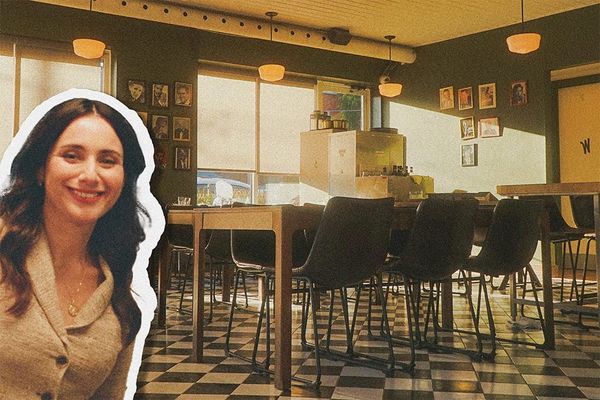
Fort Worth sisters Donna and Donya Craddock called 2020 “the unicorn year.” After George Floyd’s murder sparked nationwide protests and conversations about race, their store, The Dock Book Shop, became a gathering place where people came to talk, learn, and listen. For a brief period, Black-owned bookstores across the country saw sales and attention they hadn’t seen in years.
But the surge didn’t last. The story traces how Black-owned bookstores in Texas still face harassment, closures, vandalism, and financial struggles even as they continue serving as community spaces, event hubs, and in some cases even warming centers during winter storms. As author Char Adams put it, Black-owned bookstores are “revolutionary” in a country where Black people were once “beaten and killed for attempting to read.”
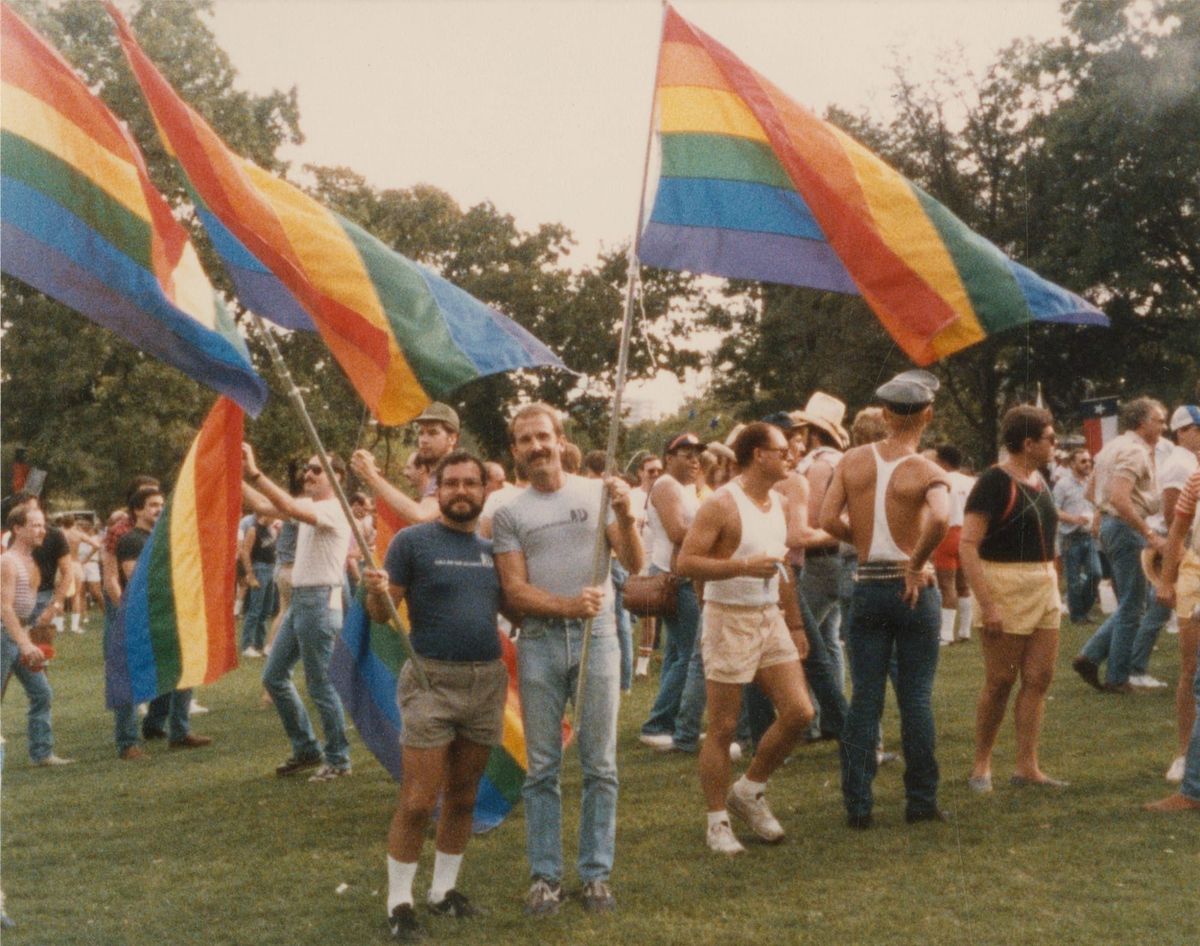
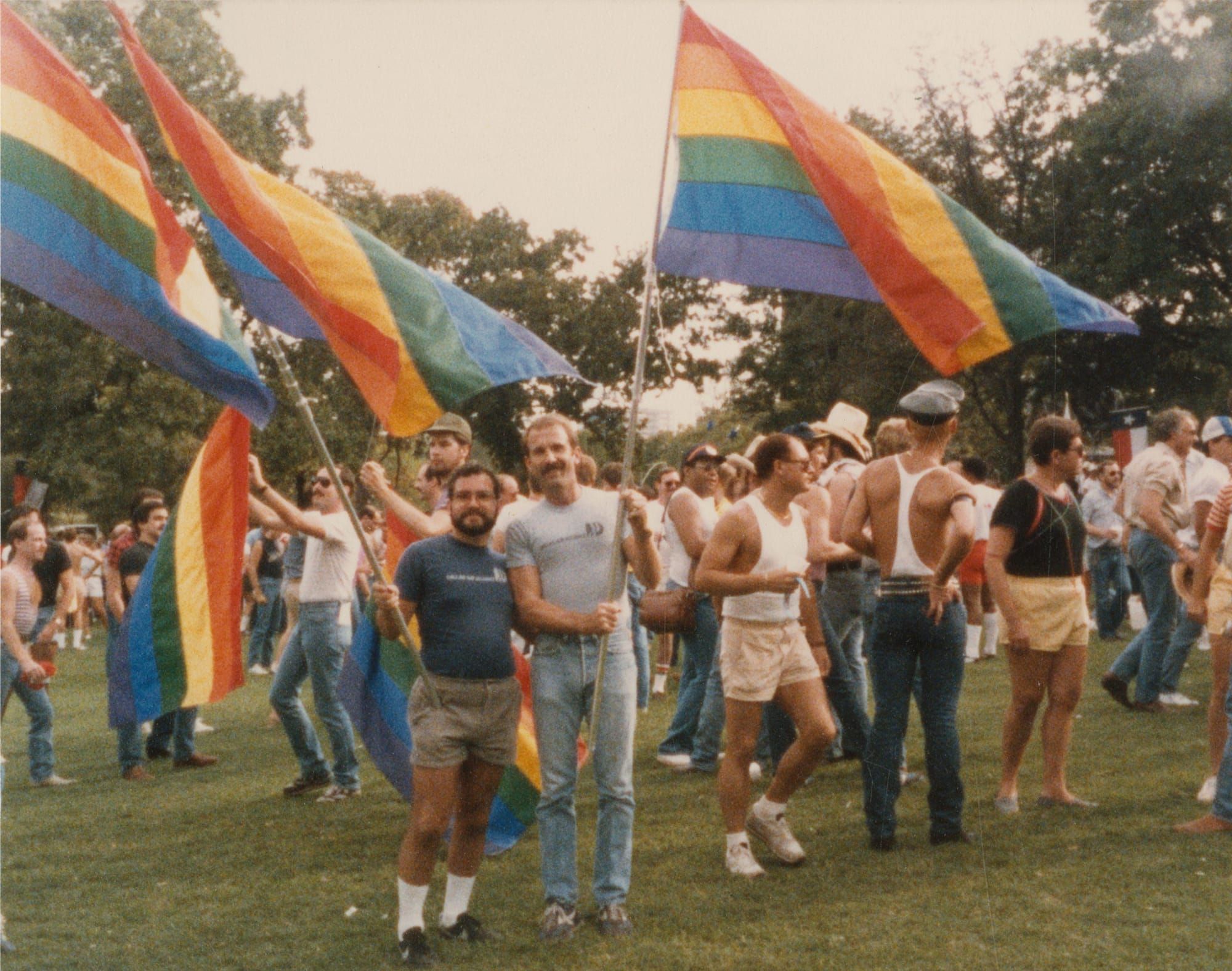
And long before Stonewall became shorthand for LGBTQ+ resistance, Dallas had its own queer organizing movement quietly operating in the middle of conservative Texas. Historian M. Rhys Dotson’s new book, “The Dallas Way,” explores how early activists built networks, protected each other from police raids, and organized through churches, newsletters, and carefully managed public events.
 The Barbed Wire
Years Before the Stonewall Riots, Dallas’ Queer Community Had Its Own Movement
By Kit O'Connell
The Barbed Wire
Years Before the Stonewall Riots, Dallas’ Queer Community Had Its Own Movement
By Kit O'Connell
The story also highlights how AIDS activists in the 1980s forced Dallas politicians to respond during the height of the epidemic, including a protest where activists turned a vacant lot into a mock graveyard after the city spent more money filling a construction hole than fighting AIDS. It’s a reminder that Texas history is full of people who survived not because institutions protected them, but because communities did.